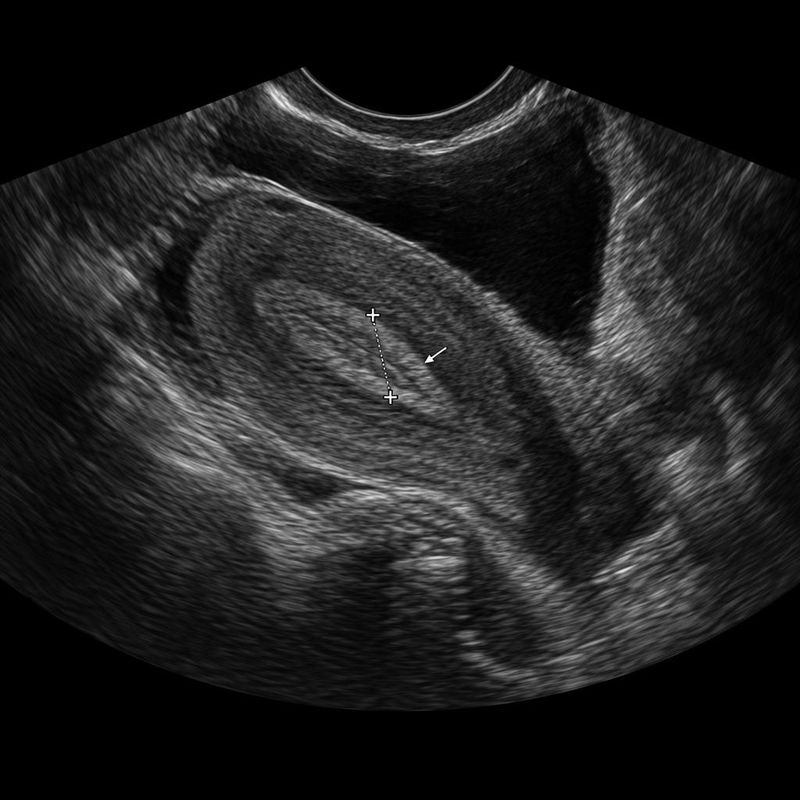
A 24-year-old woman with type 1 diabetes presents with vomiting, abdominal pain, polyuria and missed insulin doses.
She has no cardiac history and takes insulin glargine and insulin lispro.
Her blood pressure is 104/66 mm Hg, pulse 112/min, respiratory rate 28/min and oxygen saturation 99% on room air.
She is dehydrated but alert, with deep respirations and no focal infection.
She has no medication allergies and is not pregnant.
Her renal function is preserved and she has received an initial isotonic crystalloid bolus.
| Test | Result | Reference range |
|---|---|---|
| Glucose | 24.8 mmol/L | 3.9–7.8 mmol/L |
| Potassium | 2.9 mmol/L | 3.5–5.0 mmol/L |
| Bicarbonate | 9 mmol/L | 22–29 mmol/L |
| Creatinine | 86 µmol/L | 45–90 µmol/L |
A 12-lead ECG is shown below.
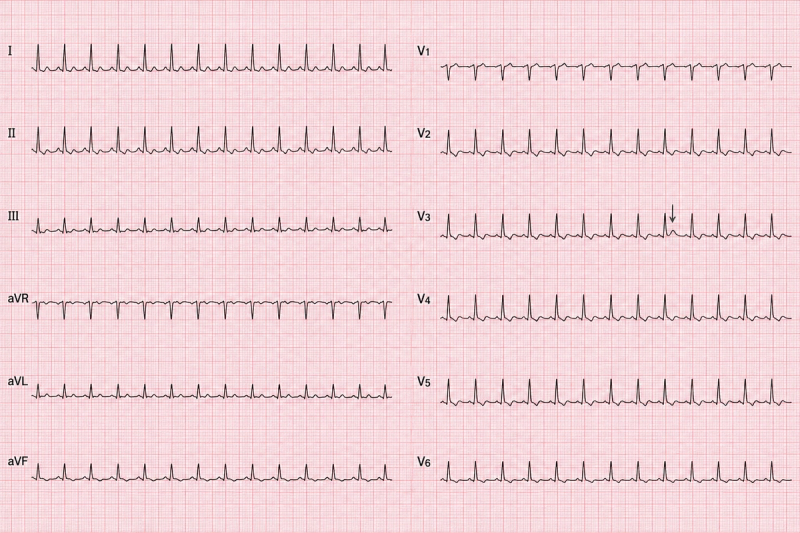
It demonstrates sinus tachycardia with repolarization changes compatible with clinically important potassium depletion.
A diabetic ketoacidosis protocol is being prepared.
What is the best next therapeutic step?
Insulin should be delayed temporarily because it will drive potassium into cells and can precipitate a life-threatening further fall.
Intravenous potassium replacement should begin with continued fluid resuscitation and close monitoring.
Once potassium is safely above the protocol threshold, insulin can be started with potassium added to fluids as needed.
Bicarbonate is not the sole treatment for diabetic ketoacidosis and is reserved for exceptional severe acidemia.
Calcium does not lower potassium and is not indicated for this ECG pattern.